
second solo exhibition "9 years in Glenbeigh", January 2026,
at the Department of Culture, Communications and Sport in Killarney
Seit neun Jahren lebt Markus Ehrhard mit seinem Mann auch in Glenbeigh, im irischen County Kerry. Vom 15.01. bis zum 20.02.2026 stellte der bildschaffende Künstler insgesamt 28 Arbeiten, von Skulpturen über Zeichnungen und Gemälde, bis hin zu Mosaiken und Reliefs, im Department of Culture, Communications and Sport in Killarney aus. In dieser zweiten Einzelausstellung erzählt der Künstler seine Geschichte und teilt seine Ansichten.
For nine years, Markus Ehrhard has also been living with his husband in Glenbeigh, County Kerry in Ireland. From 15.01. to 20.02.2026, the visual artist exhibited a total of 28 works, ranging from sculptures to drawings and paintings, to mosaics and reliefs, at the Department of Culture, Communications and Sport in Killarney. In this second solo exhibition, the artist tells his story and shares his views.

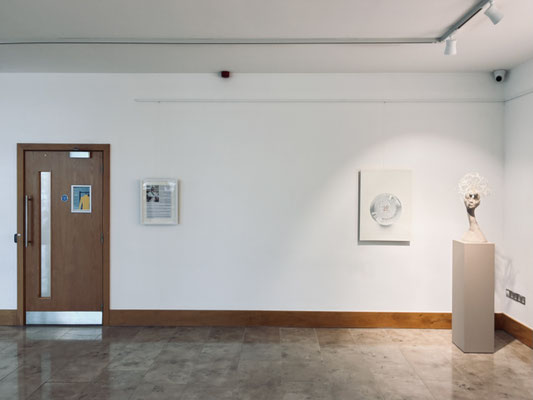
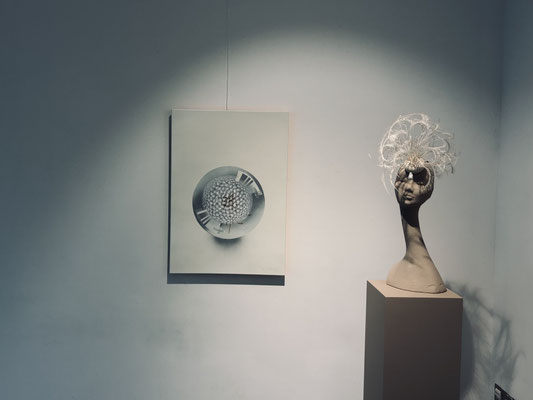
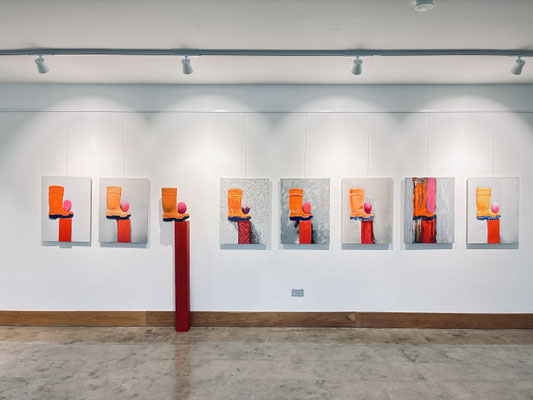
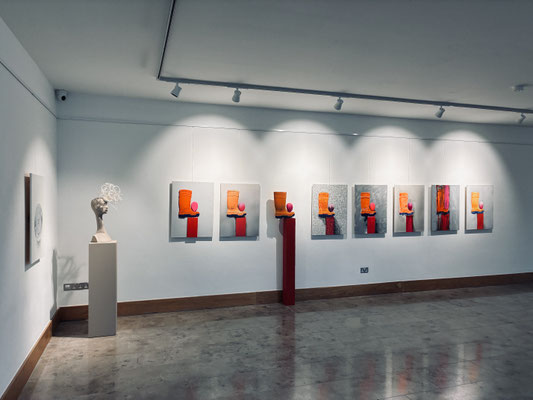

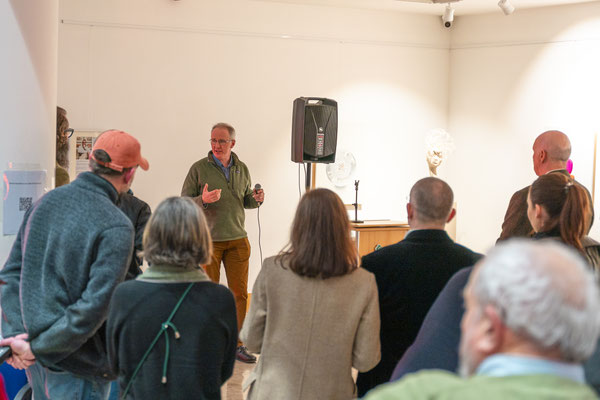
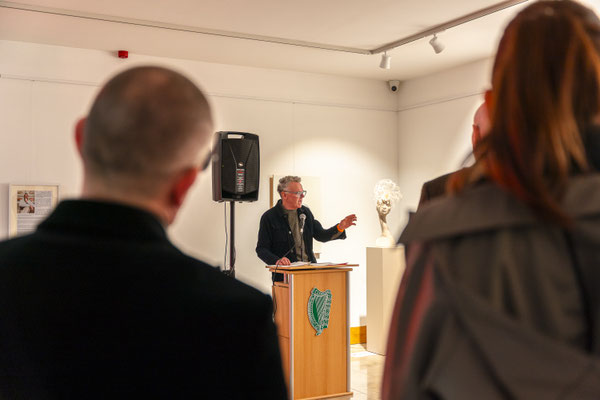
Eröffnungsrede des Autors William Shaw
"Hallo. Mein Name ist William Shaw. Ich stehe hier als kompletter Hochstabler und sehe all die Künstler, die heute hier sind. Ich bin Schriftsteller und lebe ebenfalls in Glenbeigh, in der Gegend, die das Rohmaterial für diese Ausstellung liefert. Als stiller Beobachter weiß ich, dass die zeitgenösissche Kunstszene in Kerry eindeutig etwas bewegt. Hier wächst ein außergewöhnlicher Sinn für Möglichkeiten.
Wie Markus, bin auch ich ein Blow-In (ein Zugezogener). Seit Jahrzehnten komme ich hier her, aber einer der Gründe, warum ich auf Dauer hierher zog, war, dass ich sah, was in Killorglin durch das K-Fest geschah, und ich fand das wirklich aufregend. Es ist eine Stadt, die ich dreißig Jahre besucht habe, und plötzlich sah ich diese neue Energie.
Dies ist eine Energie, die nun vom Kerry Arts Network und der wunderbaren Arbeit der Grilse Gallery in Killorglin sowie hier – im Department von Kultur, Kommunikation und Sport – verstärkt wird.
Für mich ist Markus Ehrhard ein Beispiel für diese neue Energie – nicht nur, wie sich unser Teil von Kerry verändert, sondern auch, wie Kerry Menschen verändert.
„9 Jahre in Glenbeign“ ist eine Ausstellung eines Neulings in diesem Landschaftsbild, darüber, was er hier aus der Sicht eines Außenstehenden sieht. Es ist auch eine Ausstellung darüber, wie er selbst durch seinen Aufenthalt hier verändert und belebt wurde.
Eines der Dinge über Markus Ehrhard ist, dass er keinen konventionellen künstlerischen Hintergrund hat. Er hatte nicht vor, bildender Künstler zu werden. In den 90er Jahren arbeitete er mit dem in London ansässigen Hut-Designer Philip Treacy zusammen. Das Federkopfschmuckstück ist eine Anspielung darauf. Er war und ist immer noch ein Designer. Und ein Macher.
Interessanterweise stammt auch Philip Treacy aus dem Westen Irlands. Er wuchs in der Nähe von Ballinasloe in Galway auf, zog aber in den 1980er Jahren nach London, weil es damals meiner Meinung nach keinen Weg gab, in Irland der Designer zu werden, der er sein musste. Treacy wurde in den frühen 90er Jahren der erste Hutmacher seit 80 Jahren, der auf den Pariser Haute-Couture-Schauen präsentierte, was eine unglaubliche Leistung war, und genau zu dieser Zeit arbeitete Markus mit ihm zusammen.
Das ist schon ein Hintergrund. Markus ist Designer und Macher. Aber dann griff Kerry ein. Wie ich sagte, Kerry verändert Menschen. Jeder, der jemals das K-Fest in Killorglin besucht hat, wusste, welch unglaublich transformierendes Festival es war. Es verwandelte die Stadt und es verwandelte auch die Menschen.
Und einer der vielen Menschen, die es verändert hat, war Markus, der davon inspiriert wurde, Kunst zu machen – und Kunst auszustellen – zuerst beim K-Fest, aber auch in seiner ersten Einzelausstellung im letzten Jahr, "Orange Intense". Vieles von dem, was wir sehen, ist eine Reaktion auf den Ort – auf seine Strände, auf Rossbeigh und Cromane, wo er spazieren geht. Die Muscheln. Dieser Gummistiefel, den er als Rüstung beschreibt. Seine Rüstung gegen das Wetter und die Landschaft von Kerry. Er hinterlässt seine Spuren im Sand damit, aber dieser hat deutlich auch seine Spuren in ihm hinterlassen.
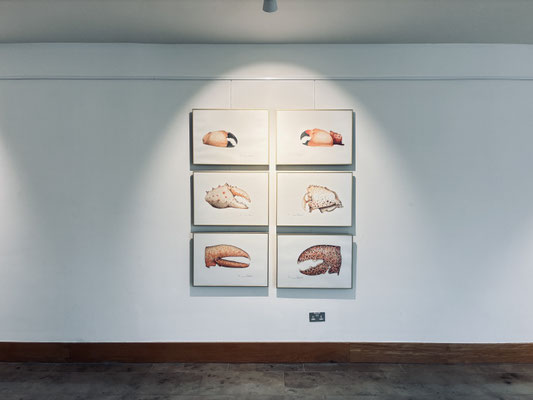
Der Strandspaziergang ist ein wiederkehrendes Thema in diesem Raum – in der Auseinandersetzung mit dem Fragment eines hölzernen Bootes, das am Rossbeigh-Strand angespült wurde, oder in jenen fast forensischen Betrachtungen von Krabbenklauen. Strände sind nicht länger reine romantische Landschaften. Sie sind Zeugen dafür, dass es in der Welt nicht immer großartig zugeht. Sie sind Orte, an denen alle Arten von Abfällen angespült werden, von Krabbenklauen über Plastik bis hin zu alten weggeworfenen Stiefeln.
Ich erinnere mich, diesen ausbalancierten Gummistiefel mit einem Stein als Gegengewicht auf dem K-Fest 2024 gesehen zu haben. Es schien diese Idee zusammenzufassen, dass Strände sich in einer Art gefährlichem Gleichgewicht befinden. Interessant ist hier, dass er diese Skulptur – und das imaginierte Stück Treibholz eines alten Bootes – zu einer Serie von Drucken und Zeichnungen, Fotografien und Gemälden sowie Mosaikkollagen erweitert hat.
Hier ist Markus, der Künstler, zugleich auch Markus, der Designer, und zeigt damit seine Vielseitigkeit als Gestalter. Es ist, als wolle er, dass man das Handwerk in diesen Stücken sieht. Es ist, als nähere er sich der Kunst auch mit seiner Designpraxis. Wenn ein Designer einem Kunden Arbeiten präsentiert, erstellt er oft mehrere Varianten, mehrere Prototypen. Sie fragen: Welche davon gefällt Ihnen am besten?
Als ich im Vorfeld mit Markus sprach, meinte er, der Unterschied zwischen einem Künstler und einem Designer sei, dass beim Design der Kunde die Frage stellt; der Kunde gibt dem Designer ein Problem, das er lösen soll.
Bei Kunst hingegen ist es der Künstler, der dem Betrachter die Frage stellt.
Aber in der Welt von Markus vermischen sich Kunst und Design. So wie die Hüte, die er wie bei Philip Treacy gearbeitet hat, zum Tragen entworfen wurden, gibt es funktionale Kunstwerke in einem Maßstab, der sie zu Objekten macht, die man kaufen, mit nach Hause nehmen und in einem Haus installieren kann. Und mir wurde gesagt, dass es ihm sehr recht wäre, wenn man das auch täte!
In gewisser Weise nutzt er diesen Gestaltungsprozess in seiner Kunst – jedes Werk ist eine Reihe von Problemen oder Fragen, die er untersuchen kann, die er durch sein handwerkliches Können sichtbar machen kann.
Ich denke, eines der bemerkenswertesten Werke hier ist „Des Schafes tote Augen“. Schauen Sie sich alleine nur die handwerkliche Arbeit darin an.
Oberflächlich betrachtet ist es das archetypische Kerry-Motiv. Ein Schaf steht gegen die Windy Gap westlich des Seefin, dem Hügel, der das Dorf Glenbeigh dominiert. Es ist ein reines Postkartenmotiv. Die handwerkliche Arbeit macht es schön. Aber wie der Titel schon sagt, ist nicht alles gut in der Welt. Dort gibt es etwas sehr Unschönes. Er hat das Postkartenmotiv genutzt, um etwas anderes zu sagen. Die Schafzucht in Kerry ist eine tugendhafte Tätigkeit. Sie wird gelobt und geliebt. Sie ist ikonisch. Die Menschen in Kerry sind sehr mit der Kultur der Hütehaltung verbunden.
Aber wie gesund ist diese Beziehung im einundzwanzigsten Jahrhundert?
Markus ist ein Blow-In. Er sieht diese romantische Landschaft mit den Augen eines Zugezogenen. Und ich denke, er enthüllt auch etwas darüber, das wirklich sehr frisch ist. Er stellt Fragen über den Ort, über sich selbst und seine Arbeit – aufgrund seines Aufenthalts hier in Kerry.
Danke fürs Zuhören und viel Vergnügen bei der Ausstellung!"
opening speech by author William Shaw
"Hello. My name is William Shaw. I'm a complete imposter standing here, seeing all the artists who are here today. I'm a writer, living in Glenbeigh, in the area which provides the raw material for this exhbition. Even as a lurker, I'm aware that Kerry's contemporary art scene is clearly doing something. There's an extraordinary sense of possibility growing here.
Like Markus I'm a blow-in. I've been coming here for decades but one of the reasons why I blew in on a more permanent basis was that I saw what was happening in Killorglin with K-Fest and I found it really exciting. It's a town I had been coming to for thirty years and suddenly I saw this new energy.
That is an energy now being amplified by Kerry Arts Network and the wonderful work being done by Grilse Gallery in Killorglin and here – in the Department of Culture, Communications and Sport.
To me, Markus Ehrhard is an example of this new energy - not only out our part of Kerry is changing, but of how Kerry is changing people.
Nine Years in Glenbeign is an exhbition about a newcomer in the landscape here, about what he sees there with an outsiders's eye. It's also an exhibition about how he too has been changed and energised by being here.
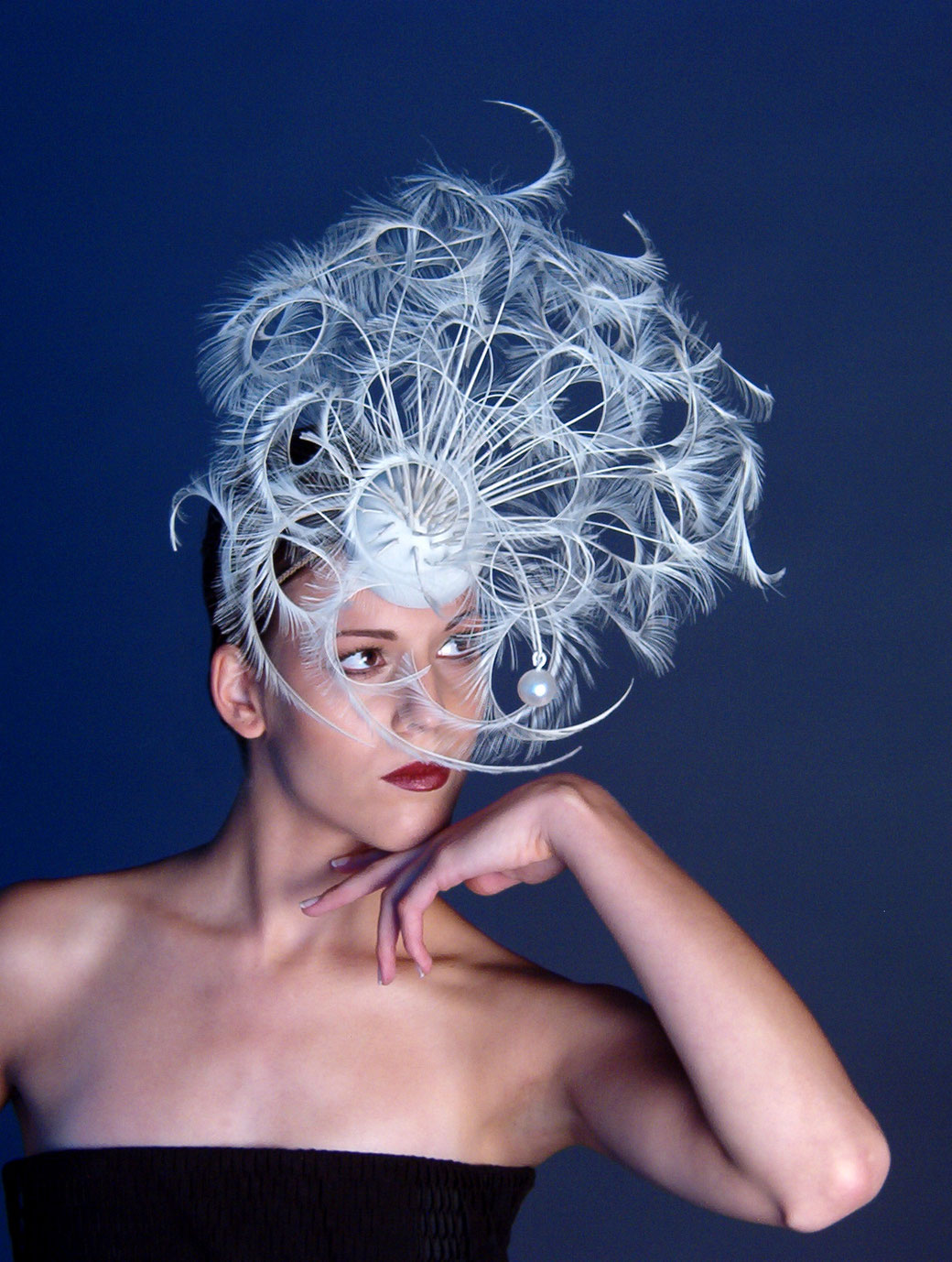
One of the things about Markus Ehrhard is that he doesn't come from a conventional art background. He didn't set out to be a fine artist. In the 90s he worked with the London based hat designer Philip Treacy. The feather headpiece is a nod to that. He was, and still is, a designer. And a maker.
Interestingly Philip Treacy is from the West of Ireland too. He grew up near Ballinasloe in Galway, but moved to London in the 1980s because I guess there was no way then to become the kind of designer he needed to be in Ireland. Treacy became the first milliner in 80 years to exhibit at the Paris haute couture shows in the early 90s, which was an incredible achievement and that is when Markus worked with him.
It's quite a background. Markus is a designer and maker. But then Kerry intervened. As I said, Kerry changes people. Anyone who ever went to see Killorglin's very greatly lamented K-Fest knew what an incredibly transformational festival it was. it transformed the town and it transformed people too.
And one of the many people it transformed was Markus who was inspired by it to make art - and to exhibit art - first in K-fest, but also in his solo show last year, "Orange Intense". Much of what we see is a response to the place - to its beaches, to Rossbeigh and Cromane, where he walks. The mussels. That wellington boot, which he describes as armour. His armour against the Kerry weather and landscape. He leaves his print on the sand in it, but it has clearly left it's print on him too.
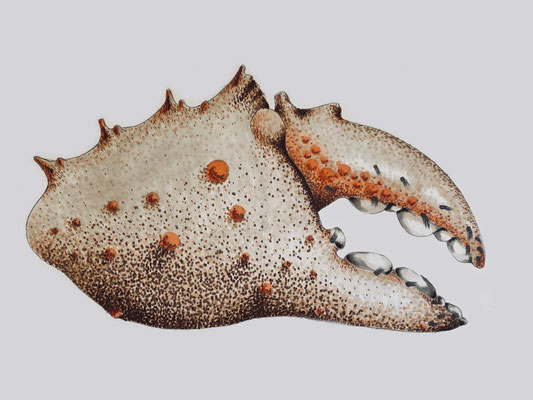
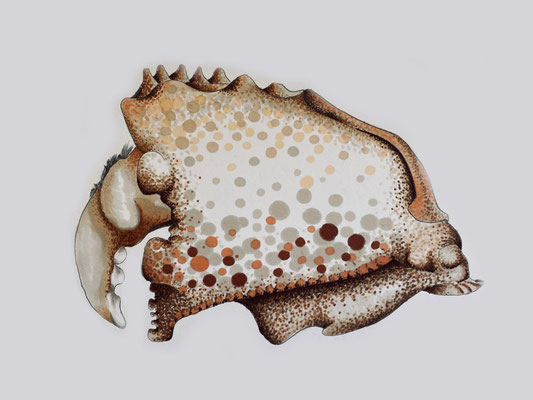
The beach walk is a recurrent theme in this room - in the mediation of the fragment of a wooden boat, washed up on Rossbeigh beach, or in those almost forensic examinations of crab claws. Beaches are no longer pure romantic landscapes. They are witnesses to how things are not always great in the world. They are places where all kinds of debris washes up, fro,m crab claws to plastics, to old discarded boots.
I remember seeing that balanced Wellington boot and stone at K-Fest 2024. It seemed to sum up that idea that beaches are in a kind of situation of perilous balance. It's interesting here that he's expanded that sculpture - and the imagined piece of driftwood wood from an old boat - into a series of prints and drawings, photographs and paintings and mosaic collages.
This is where Markus the artist is also Markus the designer, demonstrating his versatility as a maker. It's like he wants you to see the craft in these pieces. It's like he approaches art with a design practice too. When a designer presents work to a client, they often create several iterations, several prototypes. They ask, which of these do you like the most?
When I spoke to Markus earlier he said the difference between an artist and a designer is that with design, it is the client who asks the question; it's the client who poses a problem for the designer to fix.
With art it is the artist who asks the question of the viewer.
But in Markus's world art and design mix. Just as the hats he worked on with Philip Treacy were designed to be worn, There are functional artworks of a scale which makes them objects to buy, to take home and install in a house. And I'm told he would quite like it if you did!
In some ways he uses that design process in his art - any piece is a series of problems or questions that he can interrogate, he can bring into view by using his craft.
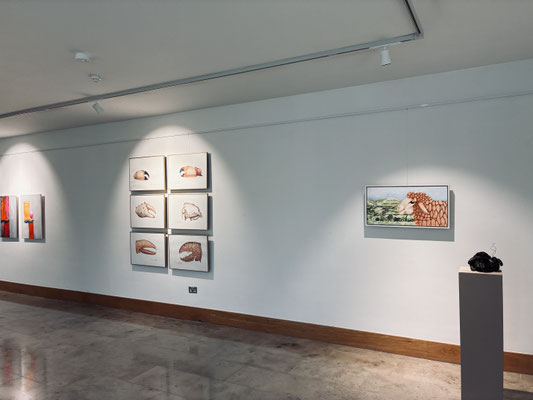
I think one of the most remarkable pieces here is The Sheep's Dead Eyes. Just look at the workmanship in that.
Ostensibly it's the archetypical Kerry image. A sheep standing against the windy gap west of Seefin, the hill which dominates the village of Glenbeigh. It's a pure postcard image. The workmanship makes it pretty. But, as the title tells you, all is not well in the world. There is something very unpretty there. He has used the postcard image to say something else. Sheep farming in Kerry is a virtuous activity. It's is praised and loved. It is iconic. The people of Kerry are very bound up in the culture of hill farming.
But how healthy is that relationship in the twenty-first century?
Markus is a blow-in. He sees this romantic landscape with a blow-in's eyes. And I think he also exposes something about it which is very fresh indeed. He's he's asking questions about the place, about himself and his practice - because of being here in Kerry.
Thanks for listening and enjoy the exhibition!"
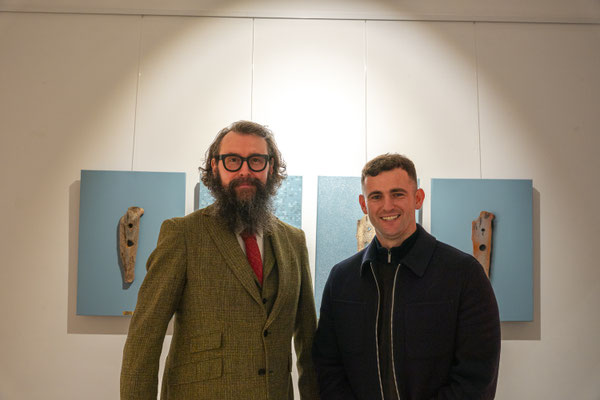
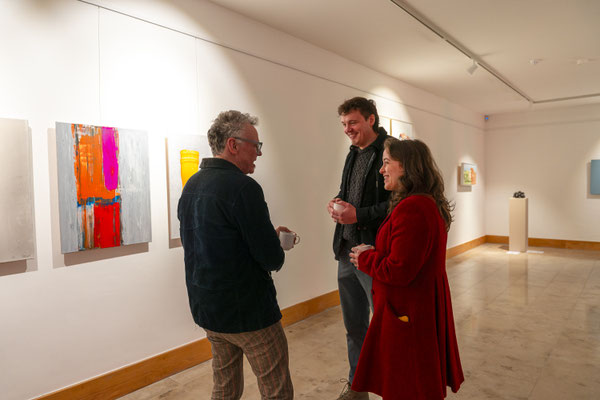
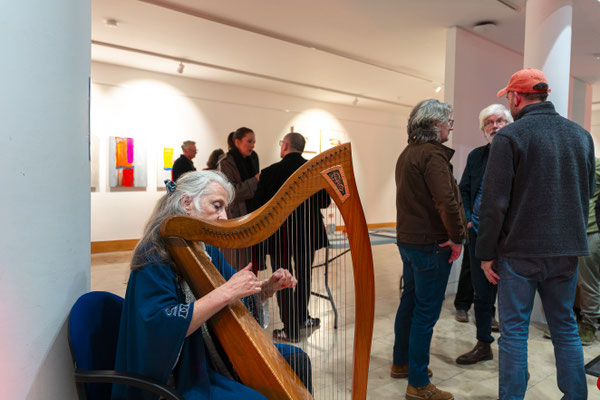
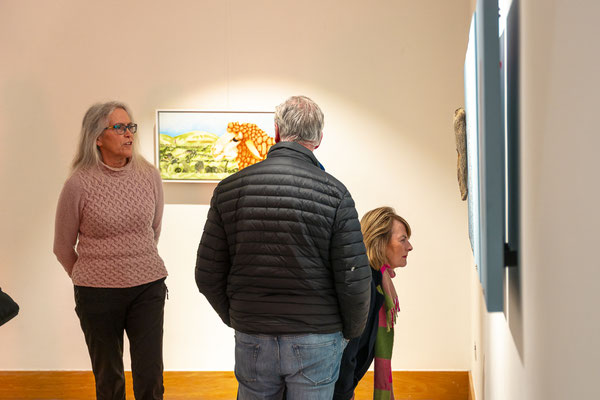
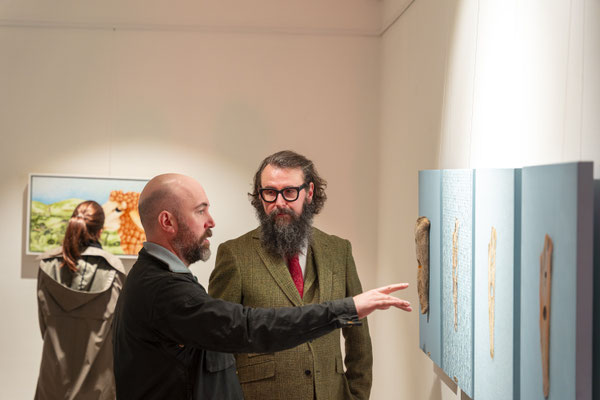
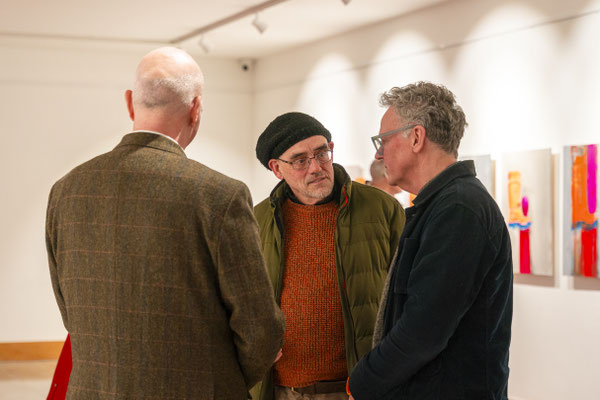
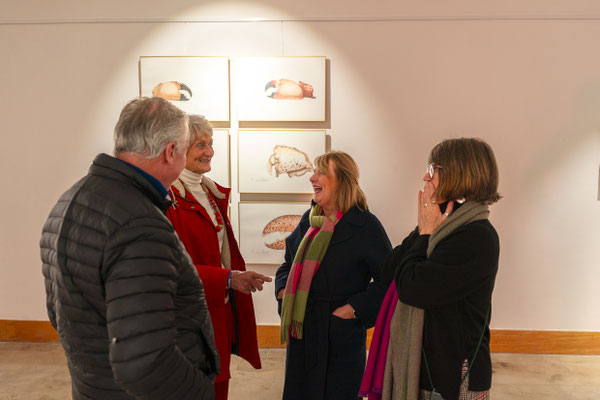
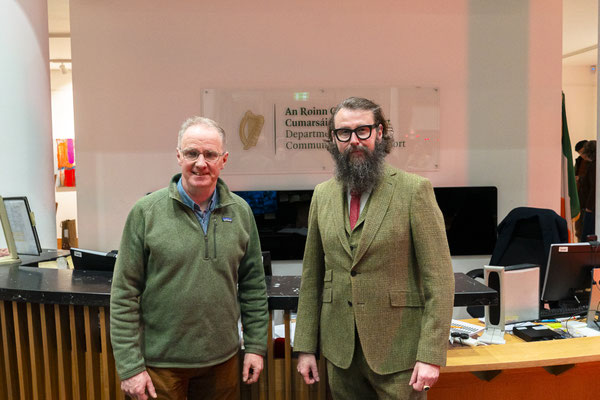
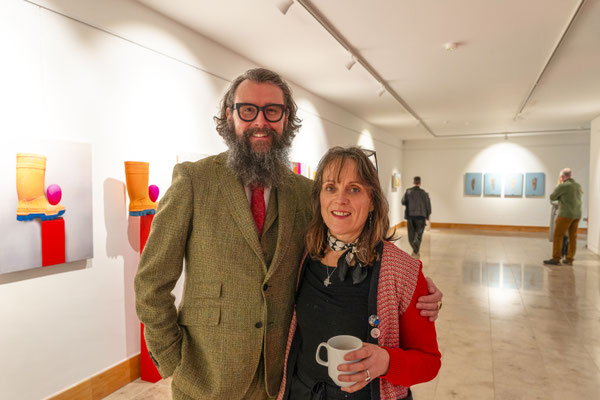
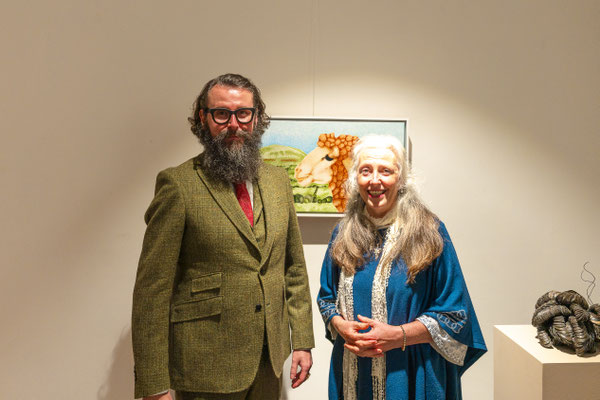
Opening 15.01.2026
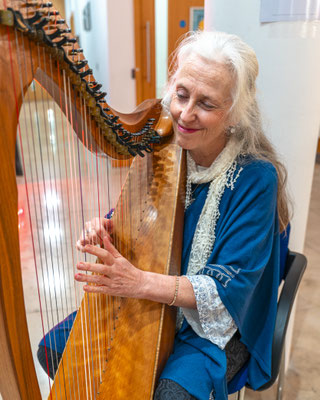
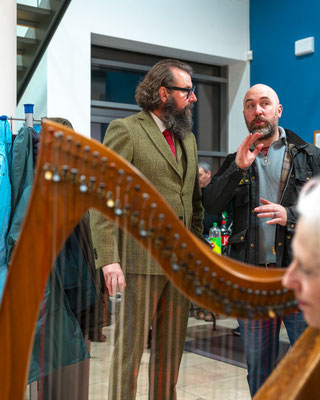
Photos by Dave Ryan, from Dave Ryan Media, Killorglin. The Irish Harp played by Marina Blyth, Killorglin.
At the exhibition space of the Department for Culture, Communications and Sport, New Road, Killarney.










rede von Markus Ehrhard
Die Irische Touristen-Information warb über Jahrzehnte in Deutschland:
Komm nach Irland, komm zu 4 Millionen Freunden!
Es sind nun 29 Jahre die Frank und ich nach Irland kommen und wir geben nach wie vor unser Bestes Euch alle kennenzulernen.
Aus unseren Erfahrungen in anderen Ländern gelebt zu haben, waren für uns elementare Regeln das Zuhören und sich zu benehmen, und nicht über Politik und Religion zu sprechen.
Seit dem wir nun in diesem bildschönen Cottage in Glenbeigh leben, sind wir nicht mehr länger nur Gäste, wir mussten und wollten uns integrieren. Zum Glück sind die Iren furchtlos, aufgeschlossen, vorwitzig und können nicht wirklich "NEIN!" sagen, was meine direkte Art des Sagens und mein deutsches "NEIN!" manchmal ein wenig rüde erklingen lässt, aber das ist von mir nicht böse gemeint.
Hier zu leben heisst nicht nur lokal einzukaufen, Euer Bier zu trinken oder Eure Schuhe zu tragen, es geht darum Eure Sprache zu lernen, Eure Identität zu respektieren und, wie Ihr auch, aus Eurer Geschichte und Tradition zu lernen, und, was ich am Wichtigsten finde, Eure Werte anzunehmen.
Und da kam das K-Fest in Killorglin in unser Leben und ins Spiel. Dave Ryan sagte mir vor drei Jahren auf einem Love Buzz Concert in The Barn: "Auf dem K-Fest geht es um die Menschen!". Dieses Kunstfestival in Killorglin bot eine Plattform, gab Raum und Platz für Kommunikation und Ausdruck, gleichgültig was Dein Talent ist, gleichgültig woher Du kommst, gleichgültig dem politischen Standpunkt für den Du kämpfst, gleichgültig an wen Du glaubst, oder, wen Du liebst. Kommunikation und Austausch vollzog sich mit Respekt auf dem K-Fest und eine einmalige Irische Kultur wurde nicht nur kreiiert, sondern für Künstler wurde ein sicherer Raum in dem Moment bereitgestellt, in dem man am verwundbarsten ist. Mir ist kein vergleichbares Festival in Deutschland bekannt.
Ja, das K-Fest...also ihr: Tim Clifford, Dave Ryan, Rochelle Lucy und Darragh Kinch, Paola Gonzales, Aoifa McBride, unsere Bridget Moriarty und natürlich Lucy und Robert Carter der Grilse Gallery...ich will nun nicht zu pathetisch klingen...aber Ihr seid es, die mich ermutigt haben, mein Leben zu ändern und meinen Beruf zu wechseln.
Vor zwei Jahren habe ich meine Komfortzone des Designs und des Image kreierens verlassen. Und es wart Ihr, die mir die Chance auf dem K-Fest 2024 gegeben habt an einer 3,50 breiten Wand in der legendären Boyles Halle meine ersten Arbeiten präsentieren zu dürfen.
Und wer hätte gedacht, dass ich ein Jahr später diesen kompletten und brutalen Raum für meine erste Einzelausstellung "Orange Intense" belegen werde. Nigel Boyle vertraute mir den Schlüssel für nun 60 m lange Wand auf 550 qm an.
Und es seid auch Ihr Künstler...Kathy Cronin, Daniel Sexton, Matt Hayes, James Hayes, Emma Phelen, Regine Bartsch, Poppy Melia, Dorota Barowa, Caleb Butterly, Julianne Guinee, Lorcan Cassidy or Rachel Varden…zum Glück nicht Millionen, aber viele mehr zu nennen...Ihr seid es, die mich nicht nur in der Spur halten ein besserer Künstler zu werden. Euch als Freunde zu haben, Euch in Euren Ateliers besuchen zu dürfen und Eure Kunst in unserem Haus zu haben, ist Inspiration! Und ich kann es nicht oft genug wiederholen: Man hat ein besseres Leben, wenn man Kunst an seiner Wand zu Hause hat.
Mein Weg war und wird nie geradeaus verlaufen. Nur damit ich es gesagt habe, habe ich im letzten Jahr 28 Absagungen erhalten, manche davon waren charmant, manche unfair formuliert, ohne nun Namen zu nennen...*räusperTattoostudio...aber genau das hat mich dazu bewegt vor zwei Monaten durch diese offene Tür hier zu gehen.
Und wer hätte gedacht, dass wir heute Abend meine zweite Einzelausstellung eröffnen und ich meine Geschichte von "9 Jahren in Glenbeigh" erzählen und meine irischen Ansichten mit Euch teilen darf.
Michael Moore, Paula Burk und Maurice Condon, vielen Dank! Es war mir eine Freude diesen Raum in den vergangenen Tagen zu gestalten! Vielen Dank für das Öffnen und Bereitstellen dieses Raumes für Kommunikation und Austausch und um Menschen zusammen zu bringen, um diese einmalige farbenfrohe irische Kultur zu erschaffen, auf die wir heute Abend alle zusammen sehr Stolz sein können!
Vielen Dank!
Speech by Markus Ehrhard
The Irish Tourist Information advertised in Germany for decades:
Come to Ireland, come to 4 Million friends!
It is now 29 years that Frank and I come to Ireland and we still give our very best to meet you all.
From living in other countries before, prime rules from our experience were, to listen and to behave, and not to talk about politics and religion.
Since we live in this picture perfect cottage in Glenbeigh, we were no longer guests, we had and wanted to integrate. Luckily the Irish are fearless, open minded, nosy and can not clearly say „NO!“, which makes my direct saying and my German NO! sound a bit rude sometimes, but no offense.
Living here means not only to buy local, to drink your beer or to wear your shoes, it is about to learn your language, to respect your identity, and as you, to learn from your history and tradition, and, what I find most important, to adapt your values.
And this is where the K-Fest in Killorglin came into our lives and into play. Dave Ryan said to me three years ago, at a Love Buzz Concert in the Barn: "K-Fest is about the people!" This art festival in Killorglin provided a platform, gave room and space for communication and expression, no matter what your talent is, no matter where you come from, no matter what political statement you fight for, and no matter who you believe in or who you love. Communication and exchange happened with respect at K-Fest and a one of kind irish culture was not only created, you provided a safe space in that moment, when you are most vunereable as an artist. There is not anything comparable in Germany.
Yes, K-fest…so you guys: Tim Clifford, Dave Ryan, Rochelle Lucy and Darragh Kinch, Paola Gonzalez, Bartek Witek, Aoifa McBride, our Bridget Moriarty and of course Lucy and Robert Carter from the Grilse Gallery…I dont want to sound too pathetic now…but it is you guys who encouraged me to change my life and my profession.
Two years ago I left my comfort zone of design and image creating. And it was you guys giving me the chance to present my first art work at Kfest 2024 on a 3,50m broad wall at legendary former Boyles Hardware.
And who would have guessed, that one year later I took over the whole brutal space with my first own exhibition „Orange Intense“. Nigel Boyle trusted and gave me the key to create then 60 m walls on 550 sqm.
And it is also you artists…Kathy Cronin, Daniel Sexton, Matt Hayes, James Hayes, Emma Phelen, Regine Bartsch, Poppy Melia, Dorota Barowa, Caleb Butterly, Julianne Guinee, Lorcan Cassidy or Rachel Varden…luckily not millions, but many more to name…it is you, who not only you keep me on track to become a better artist. Having you as friends, visiting you in your studios and having your art in our house is inspiration! And I can not repeat this sentence enough: You have a better life, when you have art on your home walls.
My way was never and is not straight forward. Just to let you know that I received 28 rejections last year, some kind of charming, some unfair, which dont matter to name now…*coughingTattoostudio...but that made me to walk in this open door here two months ago.
And who would have guessed that tonight, we open my second solo show, telling my story of "9 years in Glenbeigh" and sharing my views on Ireland with you.
Michael Moore, Paula Burk and Maurice Condon, thank you very much! Creating this room in the past days was a pleasure! Thank you very much for opening and providing this space for communication and exchange and for getting people together to create this one of a kind colourful Irish Culture, we all can be very proud of tonight.
Thank you very much!
The art:
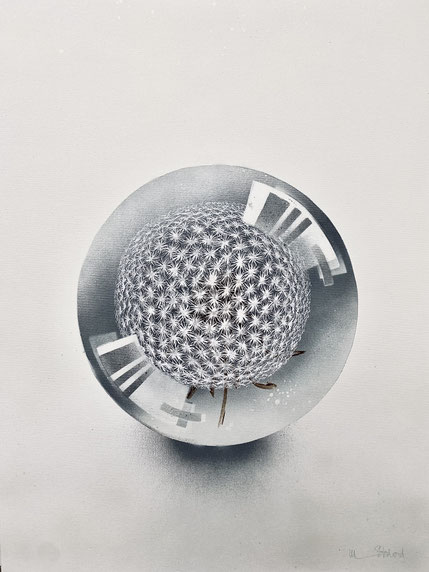
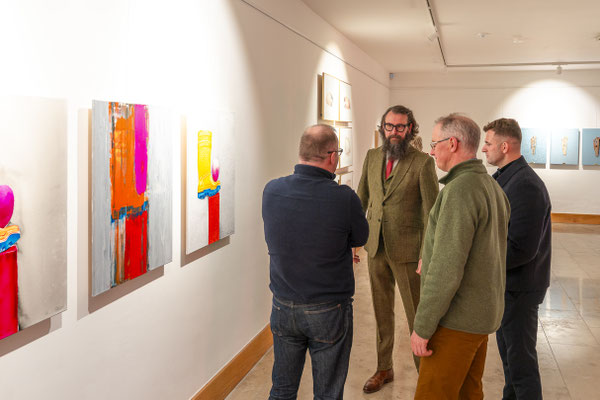
DANDILLION
You can describe this dandelion in a glass sphere as "kitsch". But you will be wrong. Because this mixture of a graffiti and a hand drawing is authentic. First, it looks like one million Dollars, therefore the word game „Dandillion“, and it stands for a much-needed romanticism in art. We strain the most fragile and do not provide protection. Anything goes, everything can be done and said. This can be seen as an achievement, but it does not hold security nor protection.
Graffiti and hand drawing on canvas
Available in two sizes:
25 x 30 cm, € 220,-
40 x 40 cm, € 270,-
here on display: 60 x 80 cm, € 790,-
Headdress with a freshwater pearl
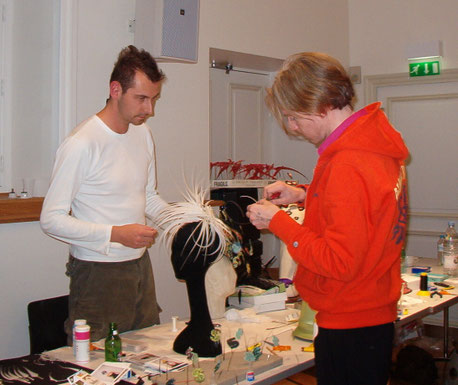
Working for the Irish hat designer Philip Treacy in London was a demanding challenge. Beside the fact, that everything you design had to look like one million Dollars, I learned how to stylize feathers. So I became his Plumassier (feather decorator) for his Haute Couture Shows 2001 and 2003 in Paris. Back in Germany I then started my own label ORNITO™ with jewelry that did match the headdresses I made.
The headdress holds a so-called „forgotten pearl“. When a bead is inserted into an oyster as a foreign object, it will get coated with mother-of-pearl. In general it take two years to cultivate a beautiful pearl. However, it also happens that oysters are forgotten to be harvested. And once found, you get these bizarre shapes of a pearl, the forgotten ones.
Headdress is not for sale

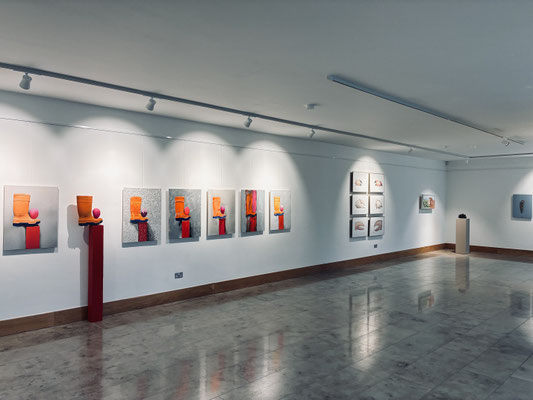
THE ICONOGRAPHY OF ROSSBEIGH BEACH FINDINGS
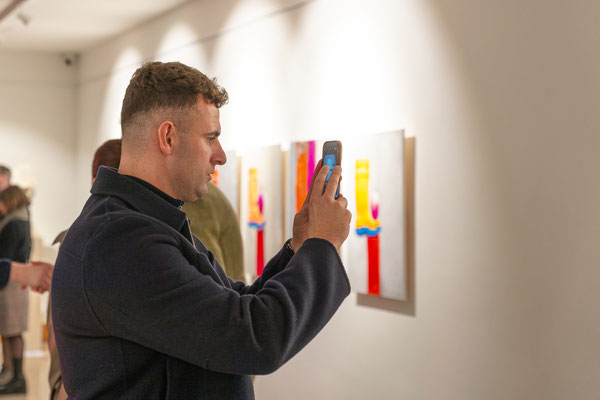
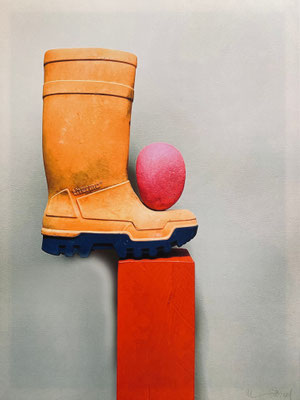
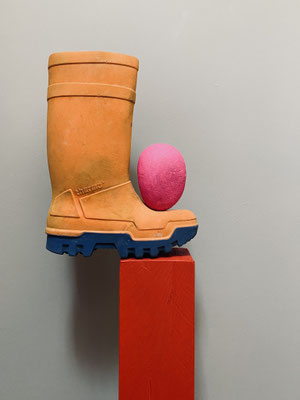
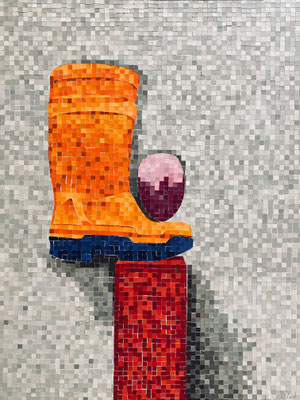
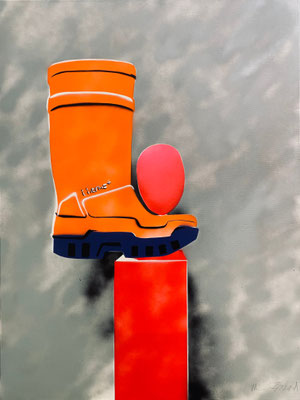
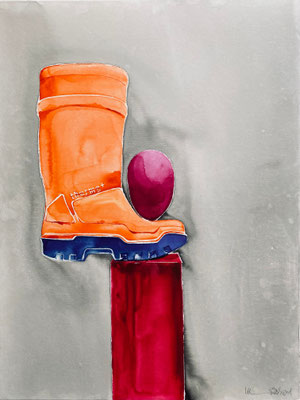
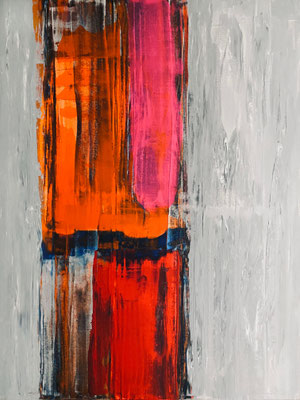
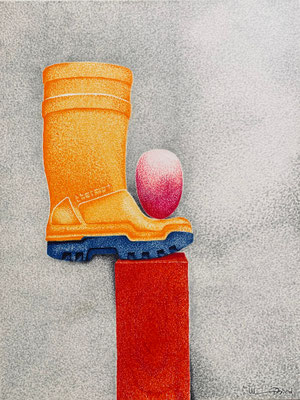
Isn't it ironic that this rubber boot, which protects our feet from external influences, is polluting the oceans with microplastics when thrown into the sea?
The wooden pedestal, the boot, and the stone were found at Rossbeigh Beach at one day. We are literally kicking our habitat, represented by the painted stone, which is exact the same weight as the wellie. It's not enough just to protect nature, but also to eliminate the pollution already caused.
So what is an iconography? An iconography is a repetition of a motive in different media. It contains a collection of various visual media, in the original size of the sculpture, with the repeating motive. The more you repeat a motive, the more you will not forget it. I guarantee, when you walk out of this exhibition one of these 8 pictures will be in your mind. It becomes iconic.
Relief, acrylic on wood, 60 x 80 cm
Photo, on canvas, 60 x 80 cm
Sculpture, 33 x 15 x 135 cm
Mosaic, paper on canvas, 60 x 80 cm
Graffiti, on canvas, 60 x 80 cm
Ink, on canvas, 60 x 80 cm
Acrylic, on canvas, 60 x 80 cm
Marker, on canvas, 60 x 80 cm
Price on demand

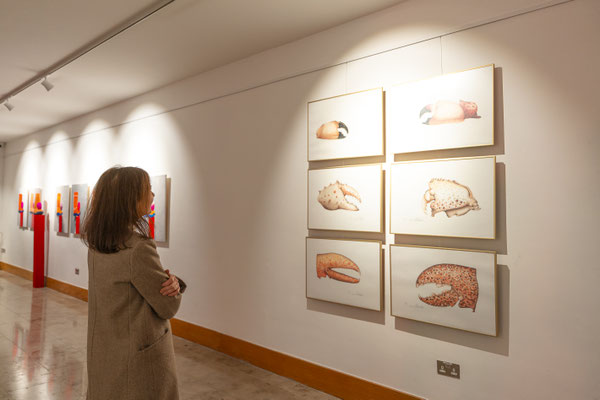
The Crab Claw Collection
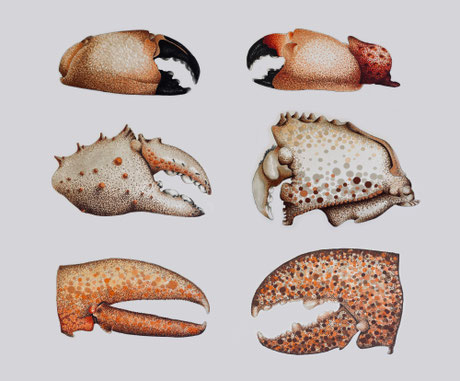
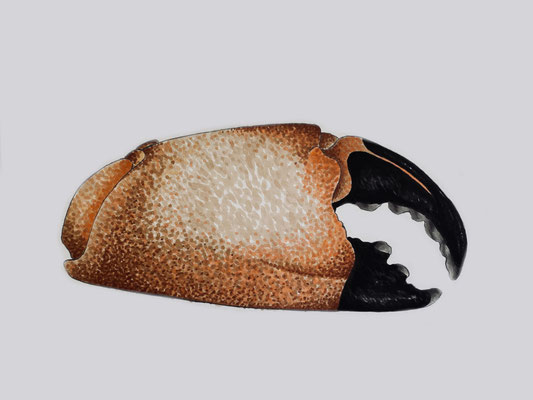
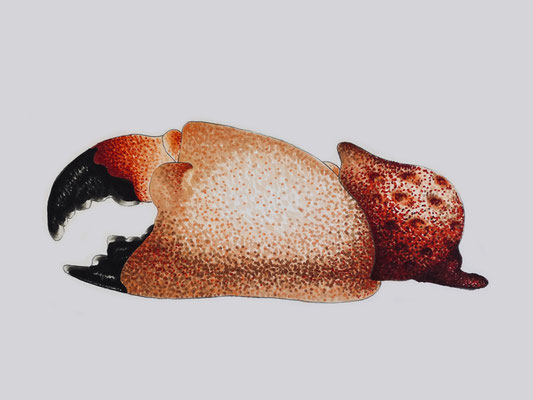
When I walk in my wellies along the beach the scenery offers an abundance of extraordinary things to find. Whether organic or inorganic, I always find interesting items that not only fascinate, they also inspire me. My jewellery collection was based of these finds, such as shark teeth, shells or crabs claws.
As a passionate collector, the rule for me is that as soon as you own three items of a kind, you start collecting them. And so in this case, I have gathered crab claws from all over the world and drawn them with markers. Although their grasping function is always the same, they appear in incredible diversity.
Not for sale,
but I draw these motives on demand on any media.


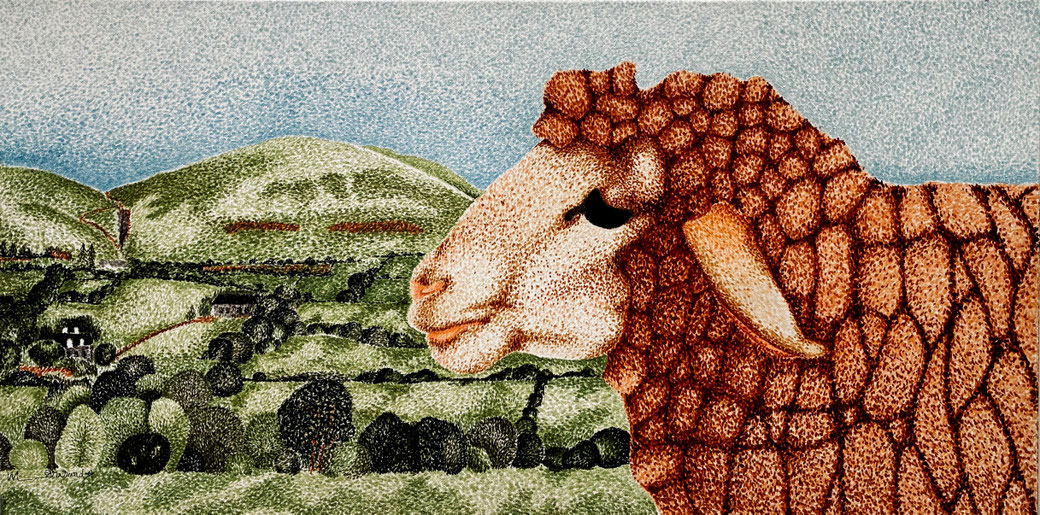
THE SHEEP’S DEAD EYES
This dotted picture looks nice and neat at first view, like in the popular genre of a scenic Irish landscape. You look towards Coolroe Mountain and the Windy Gap in Glenbeigh. The cuteness of the sheep should address to anyone. The style of drawing is supposed to seem naive and infantile.
But this drawing is a critique I point to. To me, a sheep is a very kind creature, but I observed that not all of them are treated well here in Ireland. The eye I painted in Absolute Black, you wont see any more reflection in it.
Marker on canvas
framed
80 x 40 cm
Price on demand
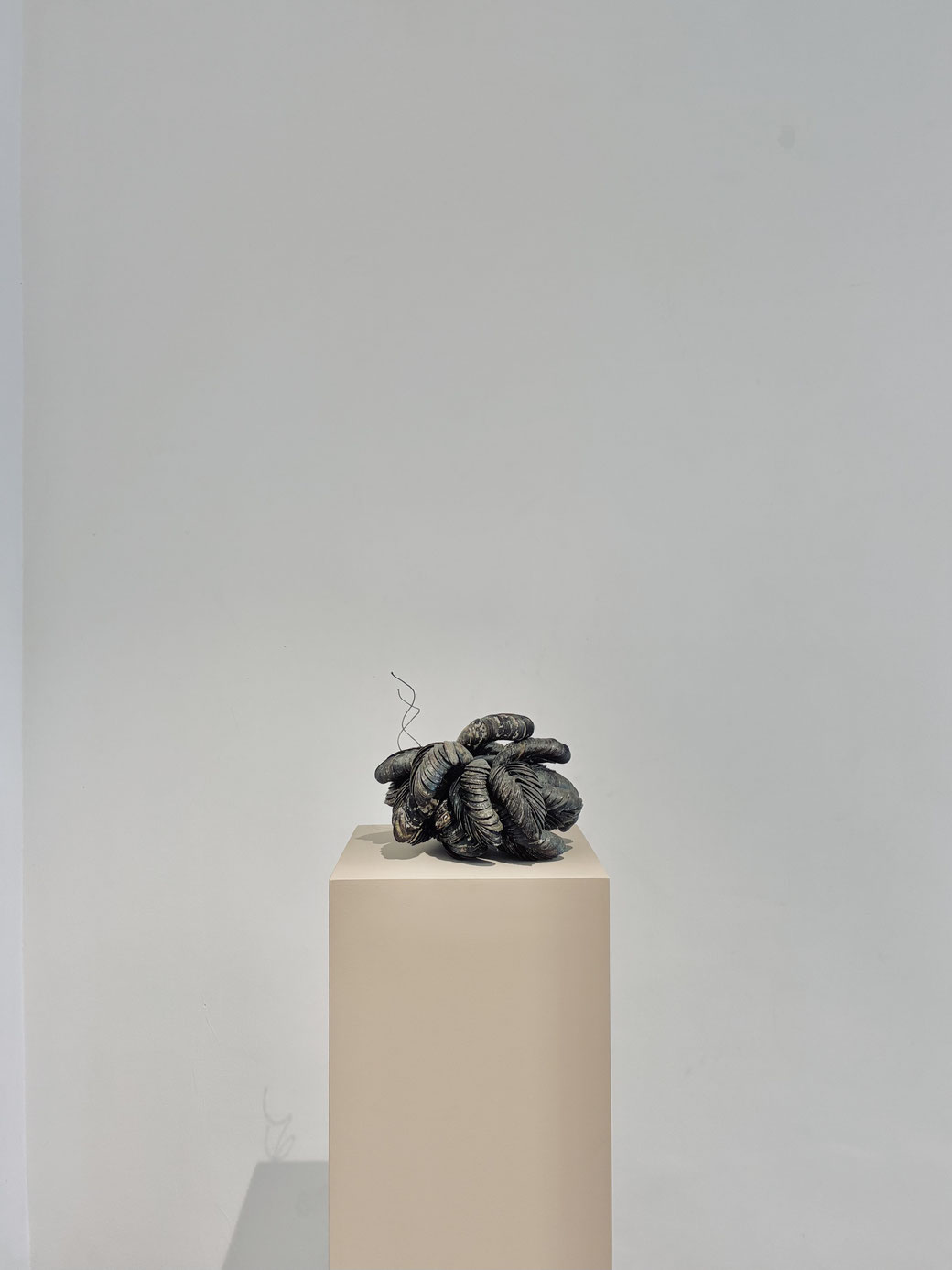
Cromane
When eating the Cromane Mussels from Glenbeigh Shellfish, a pile of shells is always left over. And I thought, what a waste, because they are beautiful. So I started collecting and stagging them into small units. It turned out, that I created a new shape. So I assembled all the units to one large sculpture. It shows an own aesthetic that is familiar on one, but also strange on the other side. No matter what you see in this sculpture, it will always be naturally based.
Not for sale
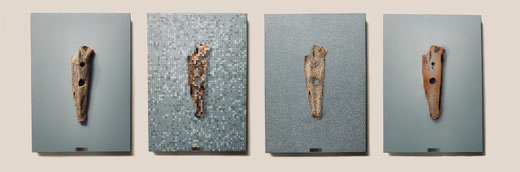
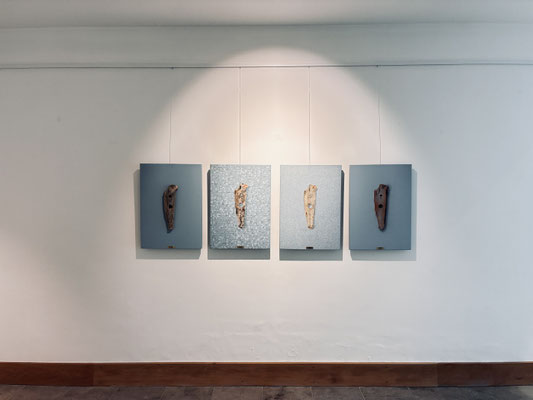
THE ICONOGRAPHY OF THE SUNBEAM
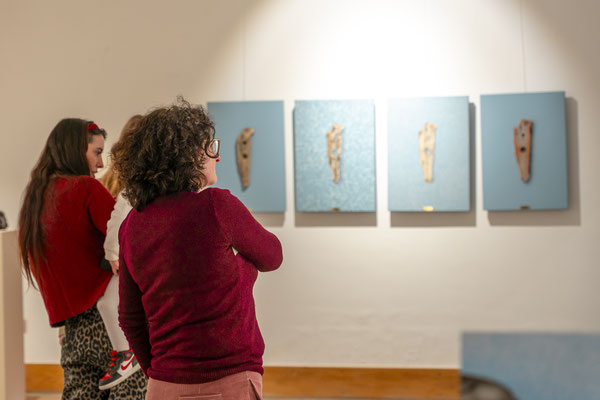
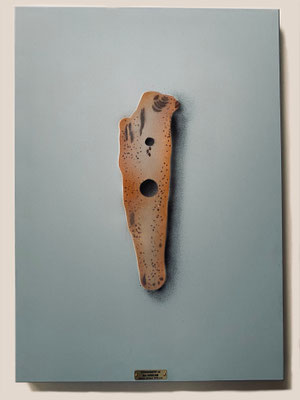
After the Sunbeam, a so-called schooner, stranded at Rossbeigh in 1903 with its two masts, the ship was salvaged. The wooden planks were used to make furniture for the pubs, as well as the benches and floor of the Belfry Church in Glenbeigh.
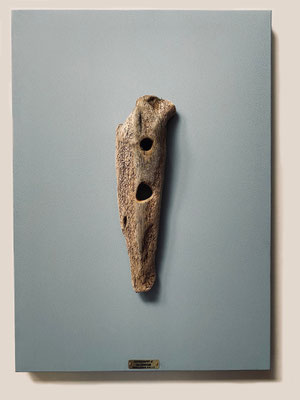
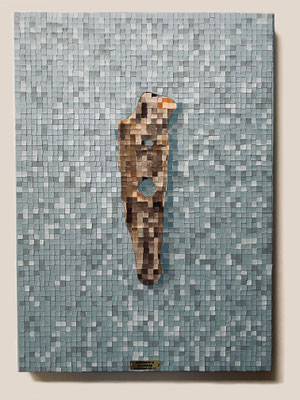
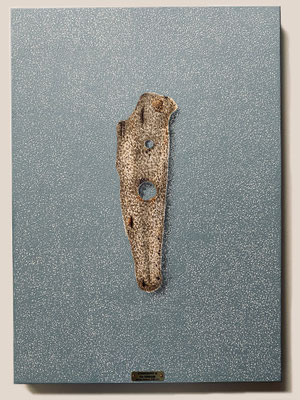
„The Iconography of the Sunbeam" is crafted in the visual media of relief, mosaic, dotted marker drawing and graffiti. It is again a beach find. Its shape reminded me of a femur. I also found the two holes in it interesting because they make sense.
In the first format, I mounted the original piece of the Sunbeam on a wooden board; it is seen as a relief and as a template for the repetition of the motif. The second work is a mosaic that I assembled using 3,500 hand-colored and cut squares. Like in my work in Haute Couture these days, I stylize my work. With a size of 50 cm by 70 cm, I achieve over 100,000 individually placed dots on the third painting, averaging 30 dots per square centimeter. A more effective technique is graffiti, the fourth representation. All four visuals show the same background color and are interpreted and implemented accordingly, depending on the technique.
Relief, wood on wood, 50 x 70 cm
Mosaic, colored paper on wood, 50 x 70 cm
Dotted marker and acrylic on wood, 50 x 70 cm
Graffiti, spray paint on wood, 50 x 70 cm
Price on demand

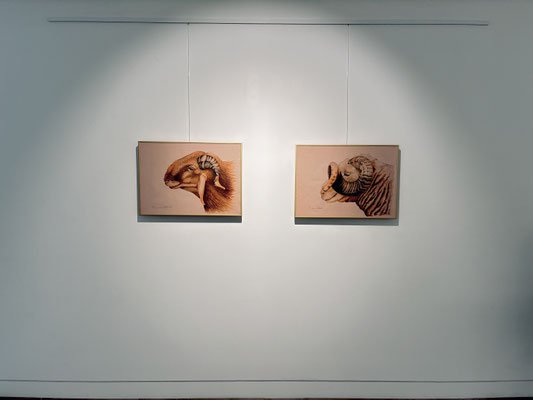
The two Rams
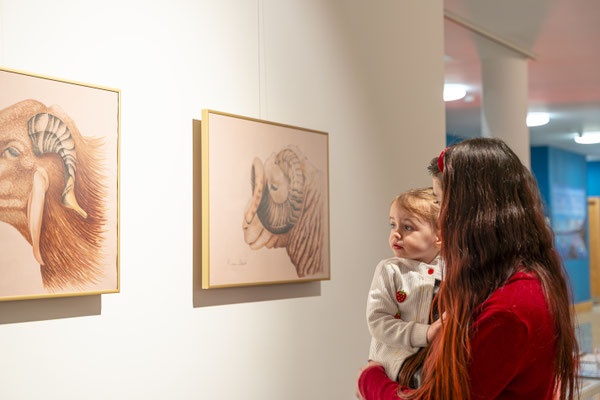
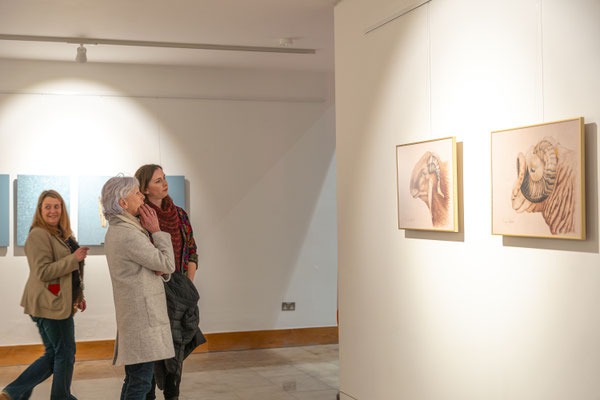
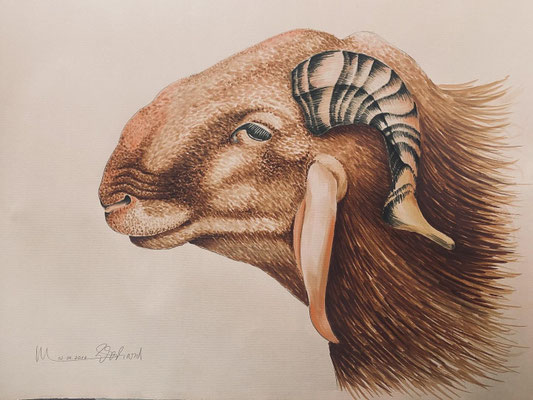
Please don't get wrong, but in 2016 I was simply tired of that touristy poster of the Skelligs, which you could find in every holiday home in Kerry. When we became owner of the cottage in Glenbeigh, we had no art on our walls. To avoid this particular poster, I started drawing local subjects like these two rams.
The ram with the large twisted horn I met next to St. Brendan’s Well on the Dingle Peninsula. He was such an impressive, proud and kind fella. I had the impression, that he posed for me.
Not for sale,
but I draw these motives on demand on any media.
The yellow welly with the blue tape
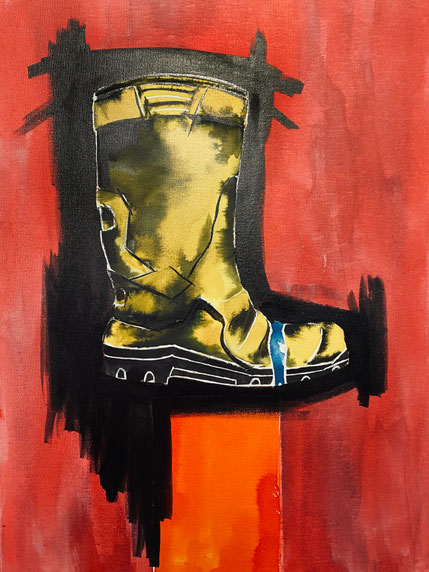
This ink drawing was one the first studies I made for the „Iconography of Rossbeigh Beach Findings“. I got this pair from a fisherman At Quinlan's in Cahersiveen. And my task was, to draw these well worn boots with its traces. These boots fullfilled their function, but they still tell you a story.
Why do I draw and paint wellies? A question I got asked a lot, because it became a popular motive in my repertoire. To me personally, wellies are freedom. I just love to walk in them, I can go wherever I want to and I am protected. They keep me grounded as well. Wellies are not valued in Germany. Different to Ireland, where the word „welly“ is one of the first words one learns to speak.
Ink on canvas,
50 x 70 cm
(wellies are included)
€ 280,-
Rossbeigh Beach
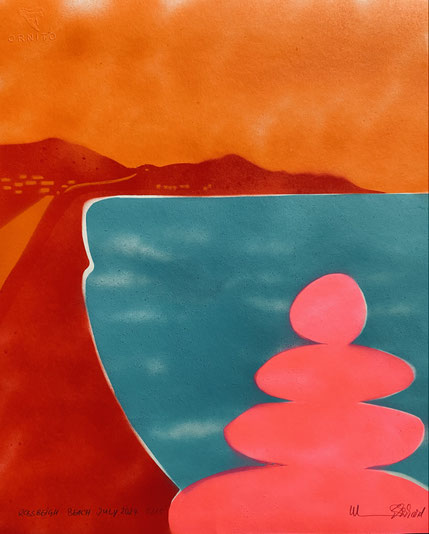
When walking at Rossbeigh Beach, I asked myself, what could be a new signature of this one of a kind irish beach, after the Ophelia storm destroyed the remains of the Sunbeam?
And I observed people creating their beach with stacked stones. They are wonderful sculptures that don't do any harm on the environment. The next tide or the next wind will bring them in natural postition again. And I thought this could be the right symbol for this place.
Graffiti on fleece
43 x 54 cm
limited edition of 15
framed
€ 100,-
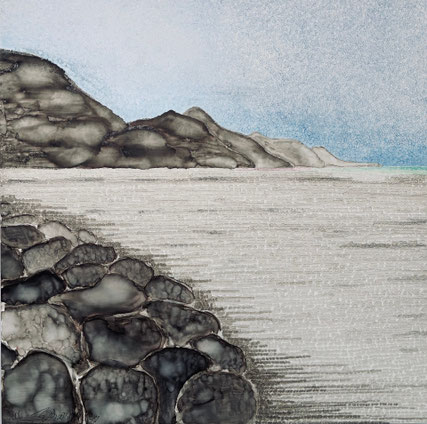
ROSSBEIGH
With a this mixed technique view of Rossbeigh Beach I will close the exhibition „9 years in Glenbeigh“. In this drawing I combine the dotting with markers and painting with a fast-drying alcohol tincture. The effect looks like a wet surface, like the wet rocks at Rossbeigh. Working in this technique is still progressing, so it might be interesting what results will turn out in the future.
Marker and pigments on wood
40 x 40 cm
Price on demand
Press releases:

Interview with Joe McGill for Saturday Supplements at Radio Kerry. With a foreword by Michael Moore from the Department of Culture, Communications and Sport.
Click here to listen to the
the kerryman...by Fergus Dennehy
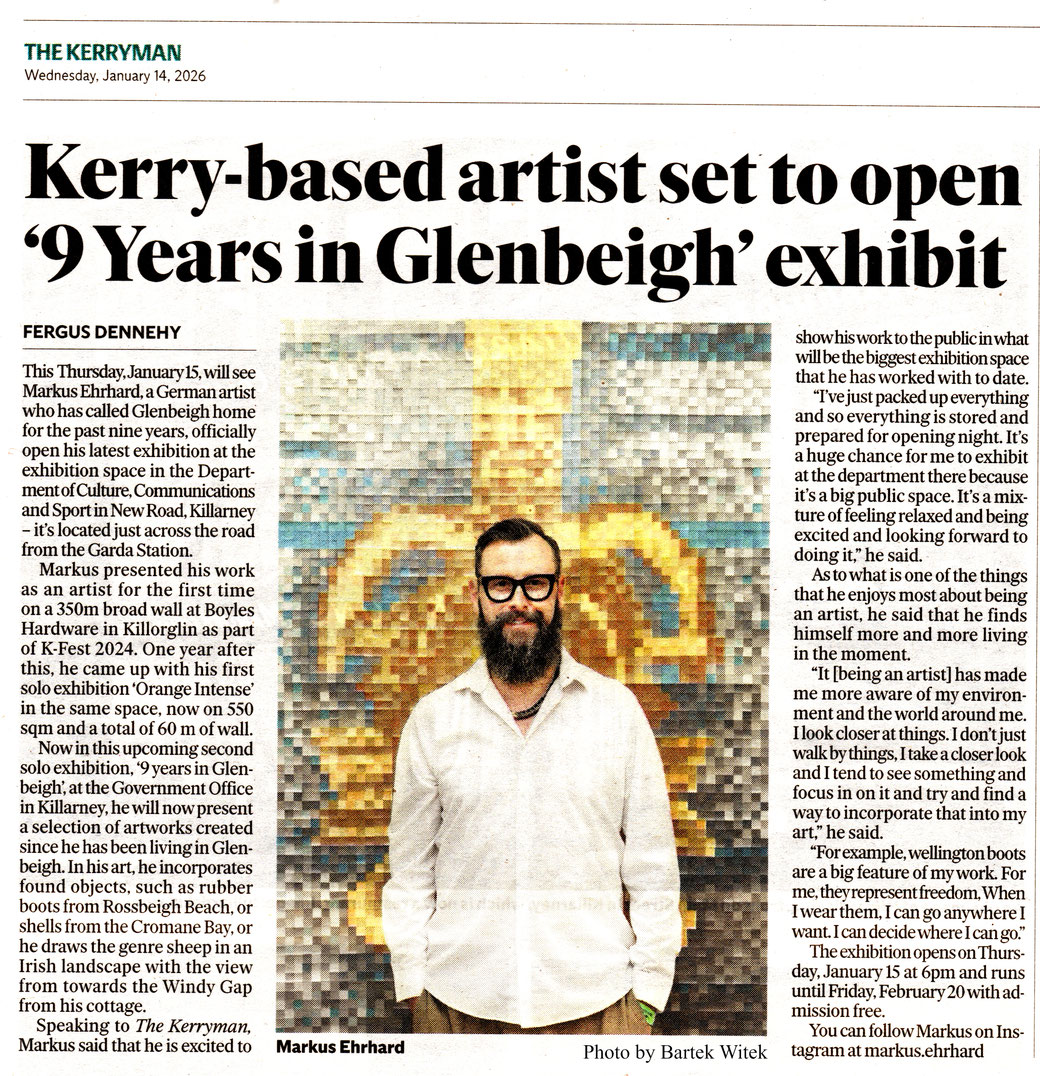
Kerry's eye...by Audrey Reidy

Kerry's eye...by Audrey Reidy
